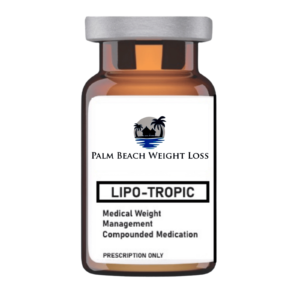
Step by Step Guide to Intramuscular (IM) Self-injection
PREPARING THE MEDICATION
1. Wash your hands with soap and water.
2. Remove the vial seal by flipping up the center tap and tearing it up. DO NOT remove the surrounding metal or rubber stopper.
3. Wipe the rubber stopper with an alcohol wipe and let it air dry.
4. Remove the syringe from the package and twist the needle to join them tightly.
5. Keeping the cover on the needle pull the plunger back to draw air into the syringe. The amount of air drawn into the syringe should be the same amount (ml) as the dose of medication prescribed by your doctor.
6. Pull the needle cover straight off.
7. While keeping the vial on a flat surface, put the needle straight through the rubber stopper. Push the plunger of the syringe down and inject the air into the vial. Leave the needle in the vial. Turn the vial upside down making sure that the tip of the needle is in the liquid medication.
8. Slowly pull down on the plunger and let the medication enter the syringe, filling up to the dose prescribed by your doctor.
9. Check for air bubbles in the syringe. If you see air bubbles, gently tap the syringe while the needle is still in the stopper. The air bubble will move to the top of the syringe. Push the plunger slightly and the air will go back into the vial. Keep the tip of the needle in the liquid and pull the plunger back to the number that correctly matches the amount of your dose. Check again for large air bubbles and repeat the procedure if necessary. Very small air bubbles are safe to inject.
SELECTING THE INJECTION SITE
1. An intramuscular injection (IM) involves administering medication into deep, muscle tissue using a longer needle. Body site to self-injection is the upper thigh. A family member or caregiver may also inject into the upper arm or outer quadrant of the buttocks. You should rotate the site with each injection.
2. Do not inject into areas where the skin is injured, tender, hard, red, hot or has visible veins, scars or stretch marks.
HOW TO INJECT: INTRAMUSCULAR (INTO A MUSCLE)
1. Prepare the injection site for injection. Using an alcohol swab, clean the selected site starting from the center, working outward in a circular motion. Then allow it to air dry.
2. Sit comfortably in a firm chair to keep the thigh area relaxed. Using your free hand, stretch and hold the skin around the injection site between the thumb and fingers of the hand that is not holding the syringe. Steady the muscle by grasping it on each side. Make sure not to touch the site where you plan to inject the medicine.
3. Hold the syringe like a pencil or dart with your hand. While pinching the skin, use a quick motion to insert the needle at a 90° angle through the skin.
4. Once the needle is inserted, using your free hand, hold the barrel of the syringe in place and push down the plunger until the syringe is empty.
5. Once the syringe is empty, release the skin. Pull the needle back out. If there is any blood, wipe it off and gently hold a gauze pad over the injection site once the needle has been removed. If necessary, apply an adhesive bandage.
DISPOSE OF USED NEEDLES/SYRINGES
1. Safe disposal of needles/ syringes is important whether you are at home, work, school or traveling. If you are using needles/syringes, it is your responsibility to make sure that you dispose of them properly in a puncture-resistant sharps container.
2. If you do not have a sharps container, you should place used supplies in a heavy plastic or metal container that is puncture- resistant, leakproof, and has a tight-fitting lid (like a laundry detergent bottle).
3. You should not reuse or recycle syringes, needles, and vials once empty. Do not throw the syringes, needles, and vials in household trash.
This website uses cookies to improve your web experience.