
Best Prescription Weight Loss Medications: Find the Right Medical Weight Loss Plan

Losing weight can be challenging, especially when diet and exercise alone have not delivered the results you want. Fortunately, prescription weight loss medications may help eligible individuals manage their weight with a personalized, medically supervised treatment plan.
At Palm Beach Weight Loss, patients can explore medical weight loss options based on their health history, weight management goals, and individual needs. Whether you are researching GLP-1 medications, appetite suppressants, or oral weight loss treatments, understanding your options is an important first step.
Ready to explore your options? BOOK NOW to schedule a medical weight loss consultation.
What Are Prescription Weight Loss Medications?
Prescription weight loss medications are treatments that may help eligible patients manage overweight or obesity. Depending on the medication, they may affect appetite, fullness, cravings, or the absorption of dietary fat.
Healthcare providers may consider medication for adults with a body mass index (BMI) of 30 or higher, or 27 or higher when certain weight-related health conditions are present. Eligibility depends on individual medical circumstances and the specific medication.
For more information, visit the National Institute of Diabetes and Digestive and Kidney Diseases’ guide to prescription weight loss medications.
Popular Prescription Weight Loss Medications
Several prescription medications may be considered as part of a comprehensive weight management program. Each has different benefits, risks, and eligibility requirements.
1. Semaglutide
Semaglutide is a GLP-1 receptor agonist that acts on pathways involved in appetite regulation and fullness. Certain semaglutide products are approved for chronic weight management, while others are approved for different indications.
Patients researching semaglutide should understand the differences between products such as Wegovy and Ozempic, including their approved uses and dosing.
Learn more about semaglutide and medical weight loss options.

2. Tirzepatide
Tirzepatide acts on GIP and GLP-1 hormone receptors. The medication is available under different brand names for specific approved indications, including chronic weight management and type 2 diabetes.
A qualified healthcare provider can help determine whether tirzepatide may be appropriate based on your health history, current medications, and treatment goals.
Explore medical weight loss options at Palm Beach Weight Loss.
3. Phentermine
Phentermine is a prescription appetite suppressant that may be appropriate for certain patients. It is generally approved for short-term use, and it is not suitable for everyone.
Your provider should evaluate your medical history, blood pressure, cardiovascular risk factors, and other medications before determining whether phentermine is appropriate.
4. Contrave
Contrave combines naltrexone and bupropion in an extended-release oral medication. It is approved for chronic weight management in eligible adults alongside reduced-calorie eating and increased physical activity.
It may be an option for some people who prefer an oral medication rather than an injectable treatment. However, it has important contraindications and potential drug interactions that require medical review.
Learn more about Contrave weight loss treatment.
5. Other Weight Management Options
Other prescription medications may be suitable depending on a patient’s health profile and treatment goals. Your provider may discuss additional options, their expected benefits, potential side effects, and costs during your consultation.
There is no single medication that is best for everyone. The right treatment depends on a thorough medical evaluation.
How Do You Choose the Best Weight Loss Medication?
Choosing a prescription weight loss medication involves more than comparing popularity or advertised results. Your provider may consider:
- Your current weight, BMI, and weight-related health conditions.
- Your medical and family history.
- Prescription medications and supplements you currently take.
- Potential side effects, contraindications, and medication interactions.
- Your preferences regarding oral medications or injections.
- Treatment costs, insurance coverage, and long-term maintenance.
Prescription medications generally work best when combined with sustainable nutrition habits, physical activity, and ongoing clinical support.
For additional guidance, read the NIDDK’s information about treatment for overweight and obesity.
What Are the Benefits and Risks of Medical Weight Loss?
For eligible patients, prescription medication may support weight reduction and help improve certain weight-related health conditions. Results vary by medication, dosage, individual health factors, and adherence to the treatment plan.
However, medications can cause side effects and may not be appropriate for people with certain medical conditions. Some treatments have specific warnings involving pregnancy, drug interactions, or particular personal and family medical histories.
Never start, stop, combine, or change the dose of a prescription weight loss medication without guidance from your healthcare provider. Use only medications obtained through appropriate, legitimate medical channels.
For official medication safety information, visit the U.S. Food and Drug Administration.
Why Consider Palm Beach Weight Loss?
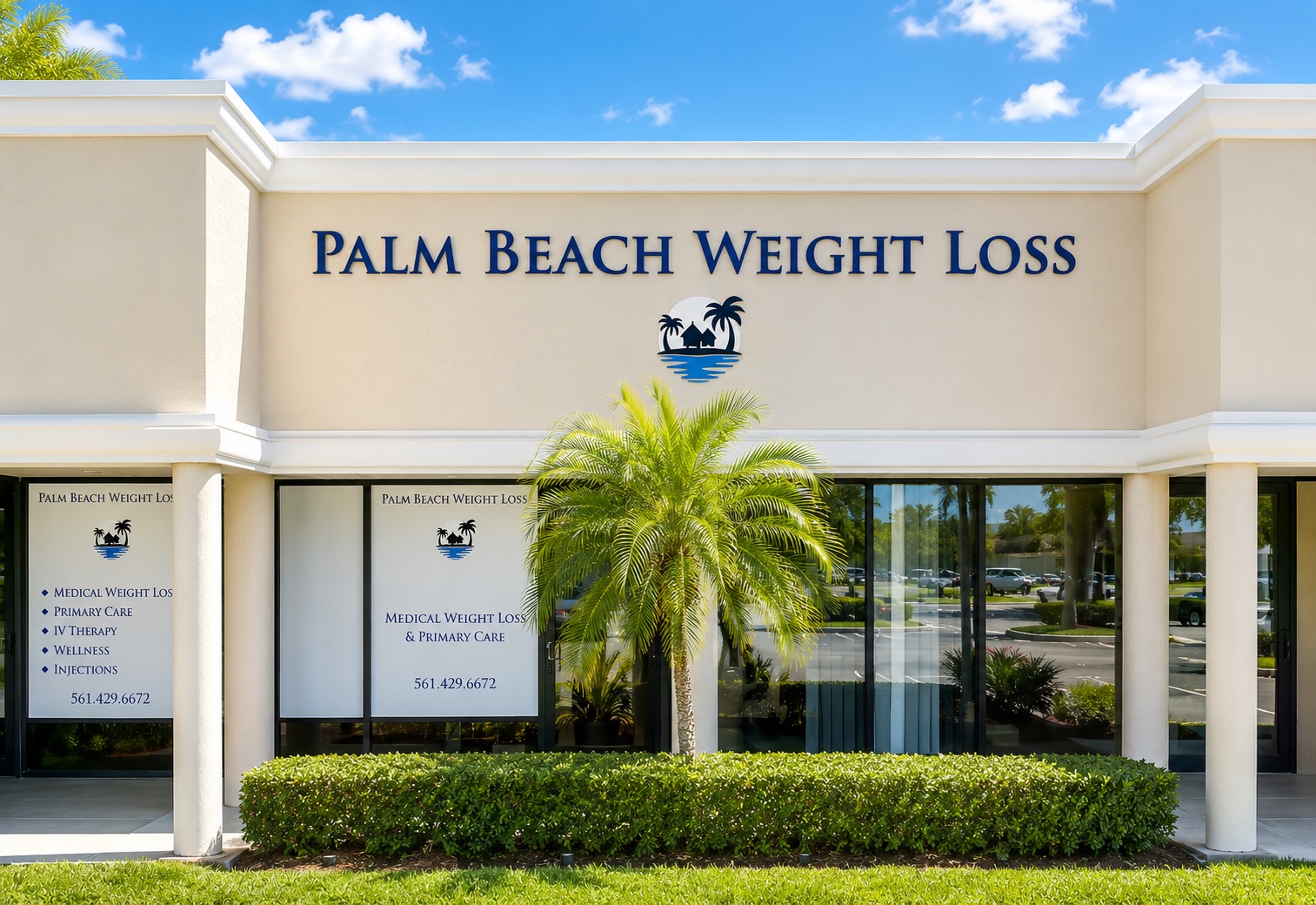
Palm Beach Weight Loss offers medical weight management services in West Palm Beach, Florida. Patients can explore available prescription options and discuss a treatment approach tailored to their individual circumstances.
A consultation can help you understand your options, ask questions about medication safety, and determine what next steps may be appropriate for your health goals.
Take the next step toward a personalized weight management plan.
BOOK NOW — Schedule Your Consultation
Frequently Asked Questions About Weight Loss Medication
What is the most effective prescription weight loss medication?
Effectiveness varies by medication and patient. Some medications produce greater average weight loss in clinical studies than others, but individual results and safety considerations differ. A healthcare provider can help identify appropriate options.
Are GLP-1 medications suitable for everyone?
No. GLP-1 medications have specific eligibility requirements, warnings, and potential side effects. A medical evaluation is necessary to determine whether a particular medication is appropriate.
Can I lose weight with medication without changing my lifestyle?
Medication should not replace healthy eating habits, physical activity, and behavioral support. Combining appropriate treatment with sustainable lifestyle changes can improve weight management outcomes.
How long do I need to take weight loss medication?
Treatment duration depends on the medication, your response, side effects, and long-term health goals. Some patients may need ongoing treatment to maintain results. Discuss your treatment plan with your provider before making changes.
How can I get started with medical weight loss in West Palm Beach?
Start by scheduling a consultation with Palm Beach Weight Loss. Your provider can review your health history, discuss available treatments, and determine whether prescription medication may be appropriate.
BOOK NOW — Begin Your Medical Weight Loss Consultation
Take the First Step Toward a Personalized Weight Loss Plan
Finding the right weight management approach starts with reliable information and individualized medical guidance. Prescription medications may be useful tools for eligible patients, but the best choice depends on your personal health needs and goals.
Contact Palm Beach Weight Loss to learn more about available treatment options and discuss a medically supervised plan.